
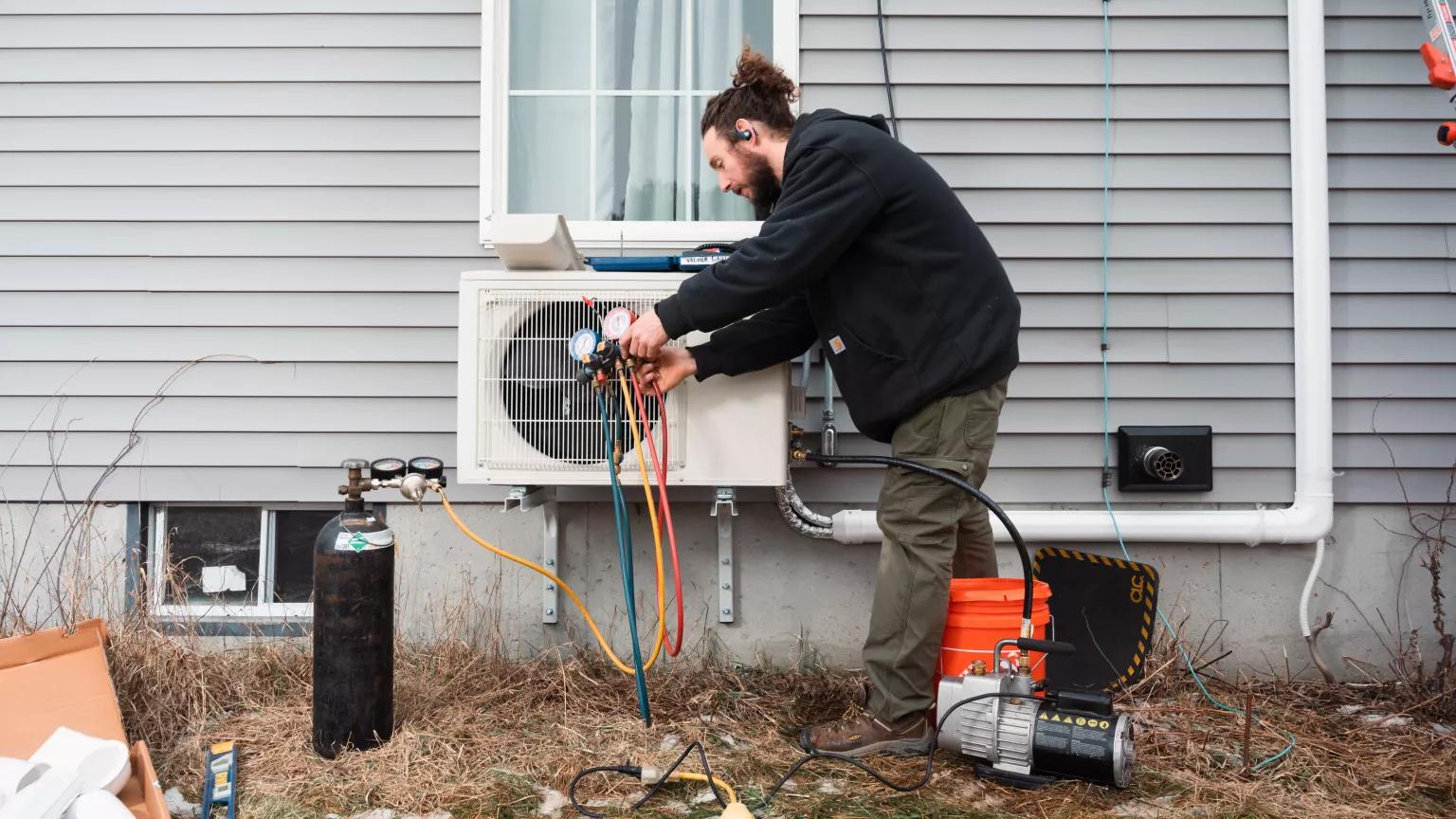
Heat pumps are one of the most efficient ways to heat and cool a home, but the upfront cost can make buyers hesitate. Government incentives exist to close that gap, which raises a fair question: is the electric heat pump rebate worth the effort of applying? For most households, the answer is yes, provided you understand how it works and check the details before you commit.
Why Heat Pumps Are Popular
A heat pump moves heat rather than creating it by burning fuel or running a resistive element. This means it can deliver several units of heat for every unit of electricity it uses. Over time, that efficiency can reduce your running costs, especially if you are replacing an old gas heater, an electric bar heater or an ageing hot water system. Many models also provide cooling in summer, so one appliance can serve you all year.
What the Rebate Can Do for You
An electric heat pump rebate typically lowers the purchase and installation price of an approved system. Depending on your location, the discount may be applied as an instant reduction on your quote, as a certificate-based incentive handled by your installer, or as a payment after installation. Some programs offer extra support for low-income households or concession card holders. Because amounts and conditions change, always confirm current details on your state or federal government energy website.
Understanding Heat Pump Rebate Requirements
Before applying, it helps to know the typical heat pump rebate requirements. While every program is different, you may be asked to meet conditions like these:
- Property location: The home must be in the state or region covered by the program.
- Applicant status: Owners, landlords and sometimes tenants with owner consent may qualify.
- Approved product: The unit must appear on an official list of eligible models and meet minimum efficiency standards.
- Accredited installer: Work usually must be completed by a licensed, registered provider.
- Replacement rules: Some programs apply only when you replace an existing system.
Reading the heat pump rebate requirements carefully before you sign a quote can save you from losing the discount.
Is It Worth It? Weigh These Factors
Upfront savings. The discount can reduce the purchase price noticeably, making a premium efficient model more affordable.
Running costs. Lower energy use can add up over the life of the system, often more than ten years.
Your current system. If your existing heater is old or costly to run, the payoff is usually stronger. If it is new and efficient, the benefit may be smaller.
Your home. Poor insulation and draughts reduce performance, so consider sealing and insulating alongside the upgrade.
Time and paperwork. In many cases the installer handles the process, so the effort for you is often minimal.
Tips for a Smooth Application
- Compare at least three quotes from accredited providers.
- Ask for the rebate to be shown as a separate line item.
- Confirm the model is eligible before you pay a deposit.
- Keep your invoice, product details and compliance paperwork.
- Be wary of high-pressure sales or offers of “free” systems.
Final Verdict
For most households replacing an inefficient heater or hot water system, the electric heat pump rebate is worth applying for. It reduces the upfront barrier, supports long-term energy savings and can improve comfort year-round. The key is to check the heat pump rebate requirements, use an accredited installer and confirm the latest rules before you buy. A little preparation now can turn a good idea into a smart financial decision.